Ad Blocker Detected
Our website is made possible by displaying online advertisements to our visitors. Please consider supporting us by disabling your ad blocker.
But First, Is October Too Late to Transplant Perennials?

When you think about some of the most common USDA Hardiness Zones (4–8), October usually brings mild enough weather to encourage strong root development.
For gardeners in cooler zones, though, timing becomes a bit trickier. In those areas, it’s best to aim for early October to give your plants enough time to settle in before the real cold hits.
The most reliable guide isn’t just your zone—it’s your soil temperature. If your soil stays above 50°F (10°C), roots will continue to grow and your transplants can establish successfully. But once temperatures consistently drop below that mark, it’s best to hold off until spring.
Perennials You Can Safely Transplant In October

1: Hostas

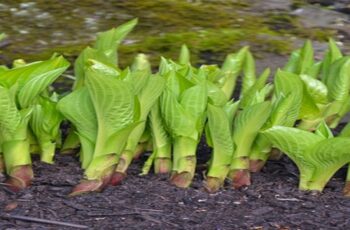
Hostas are among the easiest perennials to lift, divide, and replant once their lush foliage has begun to die back. Transplanting them not only helps refresh crowded clumps but also keeps their roots protected and evenly moist.
How to do it:
Use a sharp spade to dig up the entire clump, then slice it into smaller sections—each with at least a few healthy eyes. Replant each division at the same depth as before, firm the soil gently around the roots, and water thoroughly.
Since they’re already out of the ground, it’s also the perfect time to divide larger clumps if needed to promote stronger growth next season. 🌿
2: Daylilies

Daylilies are remarkably tough and adaptable plants that establish quickly when transplanted in the fall. Just remember to replant each division at the same depth as before to help them settle in comfortably.
How to do it:
Gently shake off any excess soil, then separate the fans by hand. Make sure each new clump has a healthy root system before replanting. Firm the soil around the roots and water well to encourage strong fall growth. 🌼
3: Peonies
Peonies are best transplanted or divided in the fall, when the plants are naturally entering dormancy. Take care not to bury the eyes too deeply during replanting—doing so can lead to poor or delayed blooming the following season.
How to do it:
Use a garden fork to carefully lift the root crown, then divide it with a clean, sharp knife. Replant each section so the eyes sit no more than 2 inches (5 cm) below the soil surface. Backfill gently, water well, and let the plants rest over winter for a strong spring comeback. 🌸
4: Irises

Irises transplant beautifully in the fall, especially when the soil is cool but not yet cold. Removing any extra fans and stems beforehand helps reduce stress and allows the plants to focus on developing strong roots.
How to do it:
Trim the foliage back to about 6 inches (15 cm), then cut the rhizomes apart with a clean knife. Replant them shallowly, ensuring the top of each rhizome sits just above the soil surface. Finish by watering lightly to help settle the soil around the roots. 🌿
5: Phlox
Phlox benefits from being divided and moved regularly—it helps control its naturally spreading growth and keeps the plants healthy and vibrant. Before replanting, take a moment to fertilize and enrich the soil to give the new divisions the best possible start.
How to do it:
Split dense clumps into smaller sections, making sure each has a strong, healthy root system. Replant them with plenty of space between each division to promote good airflow and reduce the risk of mildew.
And just like with hostas, since they’re already out of the ground, it’s the perfect opportunity to divide them thoroughly before replanting. 🌸
6: Coneflowers
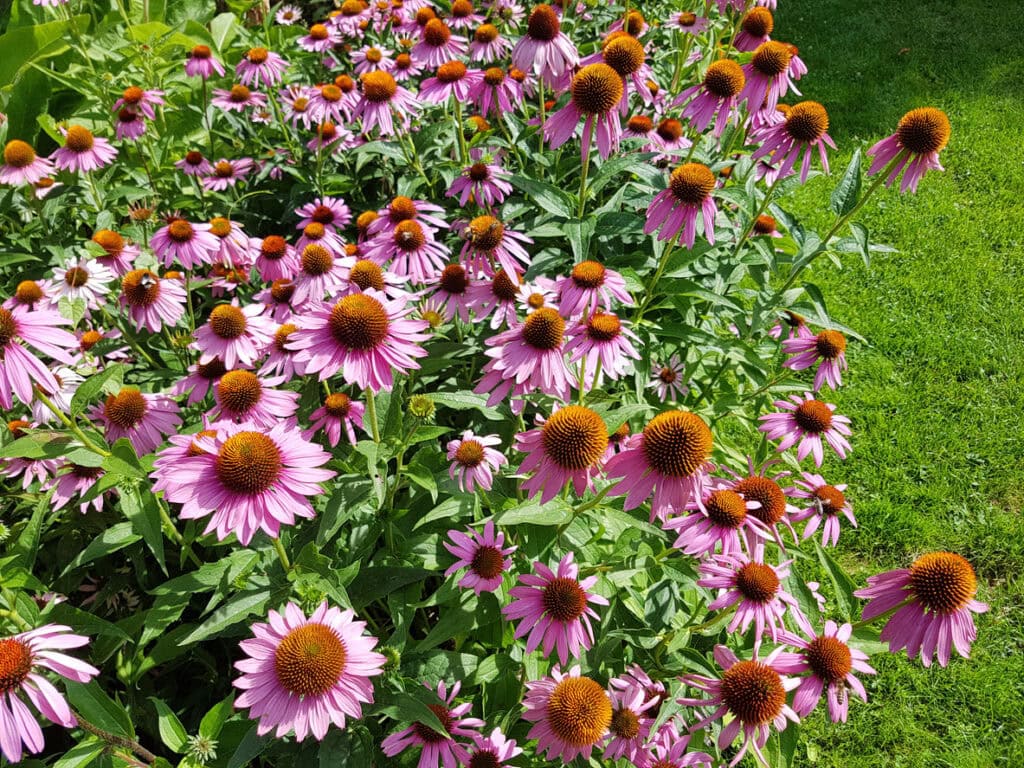
Coneflowers have strong, resilient root systems that adapt beautifully to a variety of growing conditions. When transplanting, be sure to provide them with plenty of water afterward, as their roots can dry out quickly once disturbed.
How to do it:
Dig a wide hole to capture as much of the deep root system as possible, then replant the clump at the same depth it was growing before. Water thoroughly right after planting to help the roots settle and recover. 🌻
7: Black-Eyed Susans
Black-eyed Susans respond wonderfully to fall transplanting—it’s a great way to rejuvenate crowded clumps and encourage fresh, vigorous growth next season. Before replanting, trim back as many old stems as you can to give the new shoots room to develop.
How to do it:
Cut old stems down to just a few inches above the ground, then divide the clumps using your hands or a sharp spade. Replant the divisions promptly and water deeply to help them settle in and establish strong roots before winter. 🌼
8: Sedums

Among all the plants and flowers on this list, sedums have proven to be the easiest to lift and divide. Their drought-tolerant nature also makes them highly resilient to heat and dry conditions.
Propagation method: Using a sharp spade, carefully slice through a clump, lift a section, and replant it in soil. Sedums establish roots quickly, often almost immediately.
9: Bee Balms

Bee balms benefit from being divided every two to three years, which helps reduce the risk of fungal diseases such as powdery mildew. When replanting, it is important to provide ample space between divisions to ensure healthy growth.
Propagation method: Carefully break the clumps into smaller sections, space them well apart, and water at the base to keep the foliage dry.
10: Shasta Daisy

Divide and reset Shasta daisy clumps every one to two years to promote vigorous growth and abundant blooms.
Propagation method: Lift the clump, divide it into quarters, and replant each section, adding fresh compost to the planting hole to encourage a strong restart.
Should You Cut Back Perennials Before Moving Them?
While it is not strictly necessary to cut back perennials before transplanting, doing so can significantly simplify the process.
Guidelines: Trim the foliage by at least one-third to reduce stress on the plant and encourage energy to be directed toward root establishment. For perennials that are naturally dying back, remove all dead wood and spent stems completely.
Do You Need To Water Transplanted Perennials?
Water newly transplanted perennials thoroughly and evenly, as the transplanting process can be stressful and leave plants vulnerable to drying out.
Additional tip: Keep the soil consistently moist until the ground freezes. This ensures that roots establish well and anchor securely before the plants enter winter dormancy.
Do Transplanted Perennials Need Fertilizer Right Away?
It is generally best to hold off on fertilizing perennials until spring. Early feeding can encourage tender new growth that may not survive harsh winter conditions in many regions.
Spring care: Once the growing season begins, you can apply a balanced fertilizer or compost to nourish your perennials and support healthy growth.
Let’s Conclude
While transplanting perennials can be a rewarding process, it is labor-intensive and should be done with a clear purpose to avoid stressing your plants.
Identify which plants in your garden require relocation this October, and approach the task with proper planning, clear strategy, and a touch of creativity. With careful attention, your perennials can thrive in their new positions.