Ad Blocker Detected
Our website is made possible by displaying online advertisements to our visitors. Please consider supporting us by disabling your ad blocker.
🌿 Mugwort Plant (Artemisia vulgaris): Benefits, Properties, and Uses
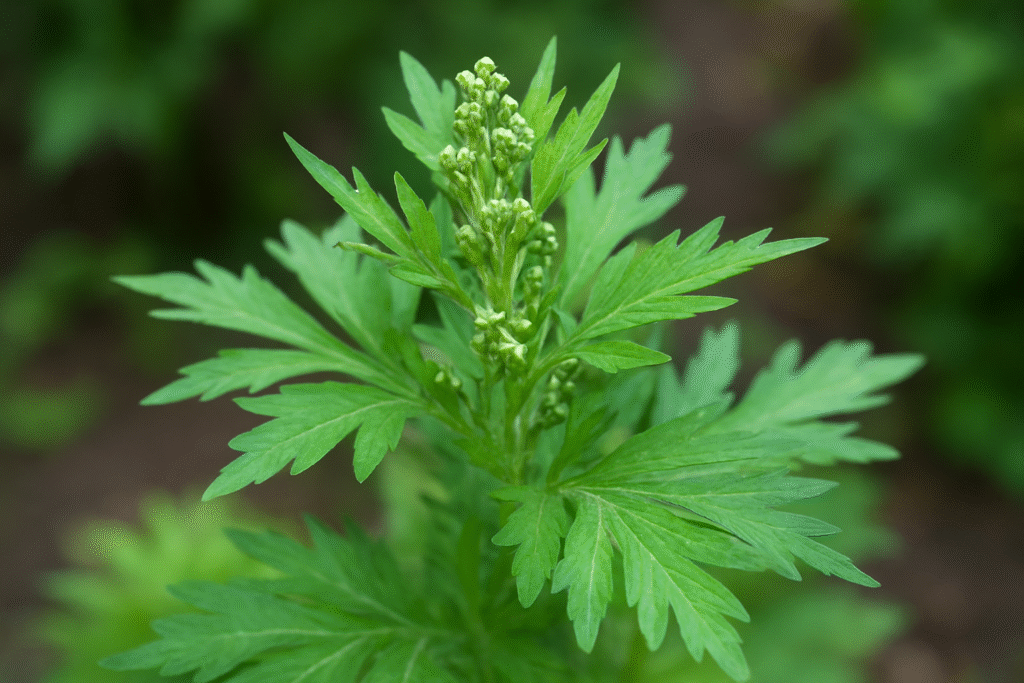
Mugwort (Artemisia vulgaris) is a hardy perennial herb celebrated for centuries across Europe, Asia, and North America. Known for its distinct aroma and wide range of medicinal, culinary, and spiritual uses, this versatile plant continues to play a vital role in both traditional and modern herbal medicine.
🌱 Health Benefits of Mugwort
1. Supports Digestive Health
Mugwort is traditionally used to improve digestion. It stimulates bile and gastric juice production, helping relieve bloating, indigestion, and stomach cramps. With its gentle laxative effect, mugwort also encourages regular bowel movements.
2. Promotes Menstrual Health
Thanks to its emmenagogue properties, mugwort helps regulate menstrual cycles, ease cramps, and alleviate PMS symptoms. It is especially beneficial for women with irregular or painful periods.
3. Improves Sleep and Relaxation
Mugwort’s mild sedative qualities make it a popular natural remedy for insomnia and anxiety. Drinking mugwort tea before bed can promote deep, restful sleep and help calm the mind.
4. Anti-inflammatory and Antimicrobial Effects
Rich in flavonoids and terpenoids, mugwort has strong anti-inflammatory and antimicrobial properties. These compounds make it effective for treating minor wounds, skin irritations, and infections.
5. Supports Mental Clarity and Focus
Traditionally used to sharpen the senses, mugwort can help reduce stress and enhance focus. It promotes a calm, centered mindset, making it useful in mental wellness routines.
6. Natural Antiparasitic Properties
In folk medicine, mugwort has long been valued for helping eliminate intestinal parasites. Though more scientific research is needed, its antiparasitic potential remains noteworthy.
🌼 Key Properties of Mugwort
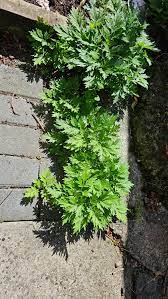
-
Rich in Antioxidants: Contains flavonoids and coumarins that combat oxidative stress and may lower the risk of chronic disease.
-
Essential Oils: Includes compounds like cineole and camphor, which give mugwort its characteristic fragrance and therapeutic qualities.
-
Emmenagogue: Stimulates menstrual flow and supports reproductive health.
-
Nervine: Calms and supports the nervous system, reducing tension and anxiety.
🍵 Common Uses of Mugwort
🧪 In Traditional Medicine
-
Tea: A gentle brew that supports digestion, menstrual health, and relaxation.
-
Tinctures & Capsules: Concentrated forms for specific therapeutic benefits.
-
Poultices & Ointments: Applied topically to treat skin issues or minor wounds.
🌸 Aromatherapy
Mugwort essential oil is popular in aromatherapy to encourage mental clarity, relaxation, and emotional balance.
🍽️ Culinary Uses
In many Asian cuisines, mugwort is used as a culinary herb in soups, stews, and rice cakes. Its slightly bitter, earthy flavor adds depth to savory dishes.
🌙 Dream and Spiritual Practices
Mugwort has a rich mystical reputation — it’s believed to enhance dreams and promote lucid dreaming. Often placed under pillows or burned as incense, it helps induce vivid dreams and spiritual awareness.
It’s also considered a protective herb, traditionally used to cleanse spaces, ward off negative energy, and repel insects through fumigation or smudging.
⚠️ Precautions and Side Effects
While mugwort is highly beneficial, it should be used responsibly.
-
Allergic Reactions: Avoid if you’re allergic to plants in the Asteraceae family (ragweed, daisies, marigolds).
-
Pregnancy & Breastfeeding: Not recommended, as it may stimulate uterine contractions.
-
Overuse: High doses can cause nausea, vomiting, or liver toxicity.
👉 Always consult a healthcare professional before using mugwort, especially if pregnant, nursing, or managing a medical condition.